Repairing existing locks
Lock Repair
If a lock is sticking, jamming, loose or difficult to use, replacement is not always the first answer. TLC assesses the lock, door and frame to see whether a careful repair or adjustment can restore reliable use.
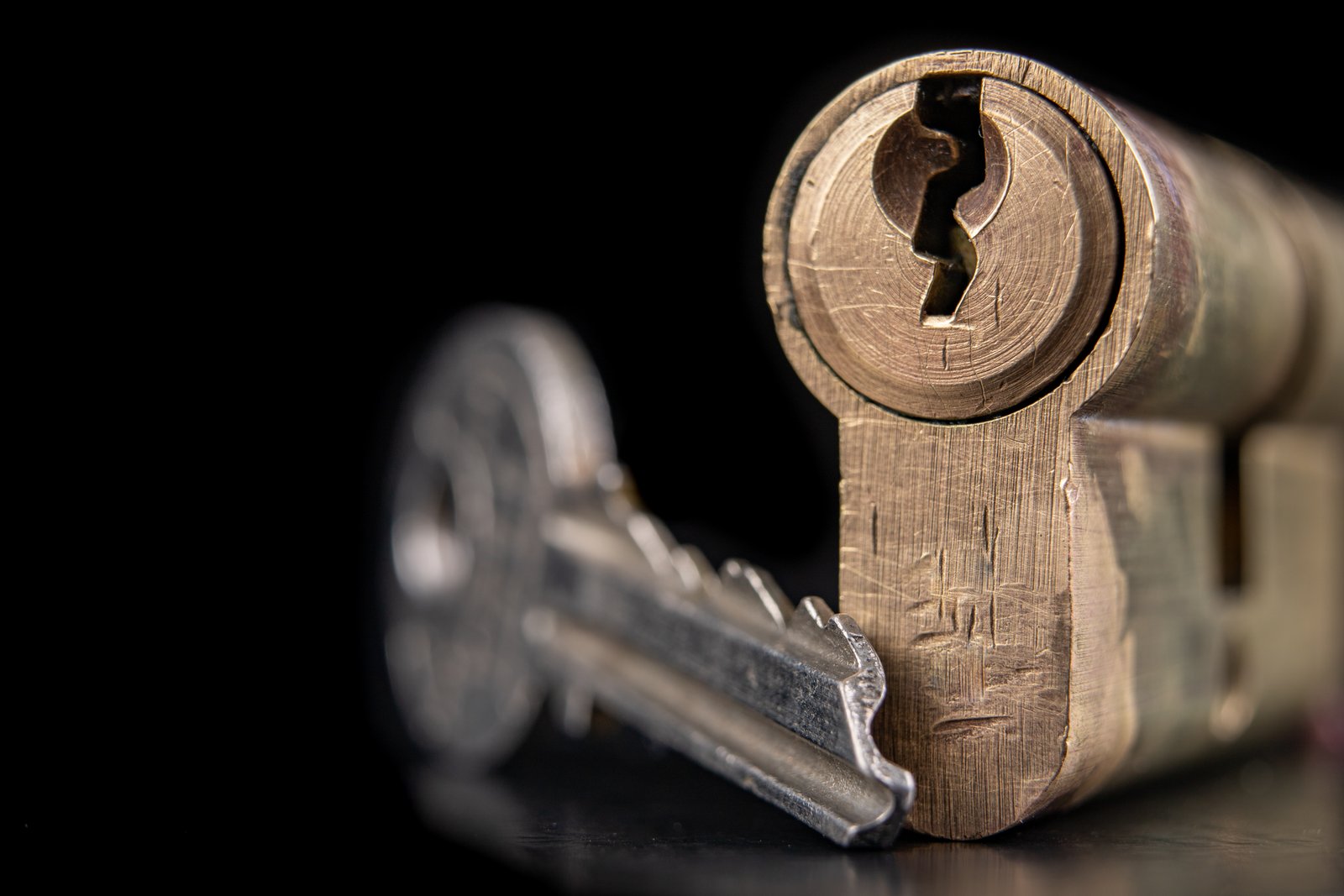
When repair helps
Many lock problems can be assessed before replacement is recommended.
Customers often call because a key has become hard to turn, a latch is sticking, a night latch is unreliable or a mortice lock feels worn. We look for the practical cause before deciding whether parts, adjustment, lubrication or replacement are the right route.
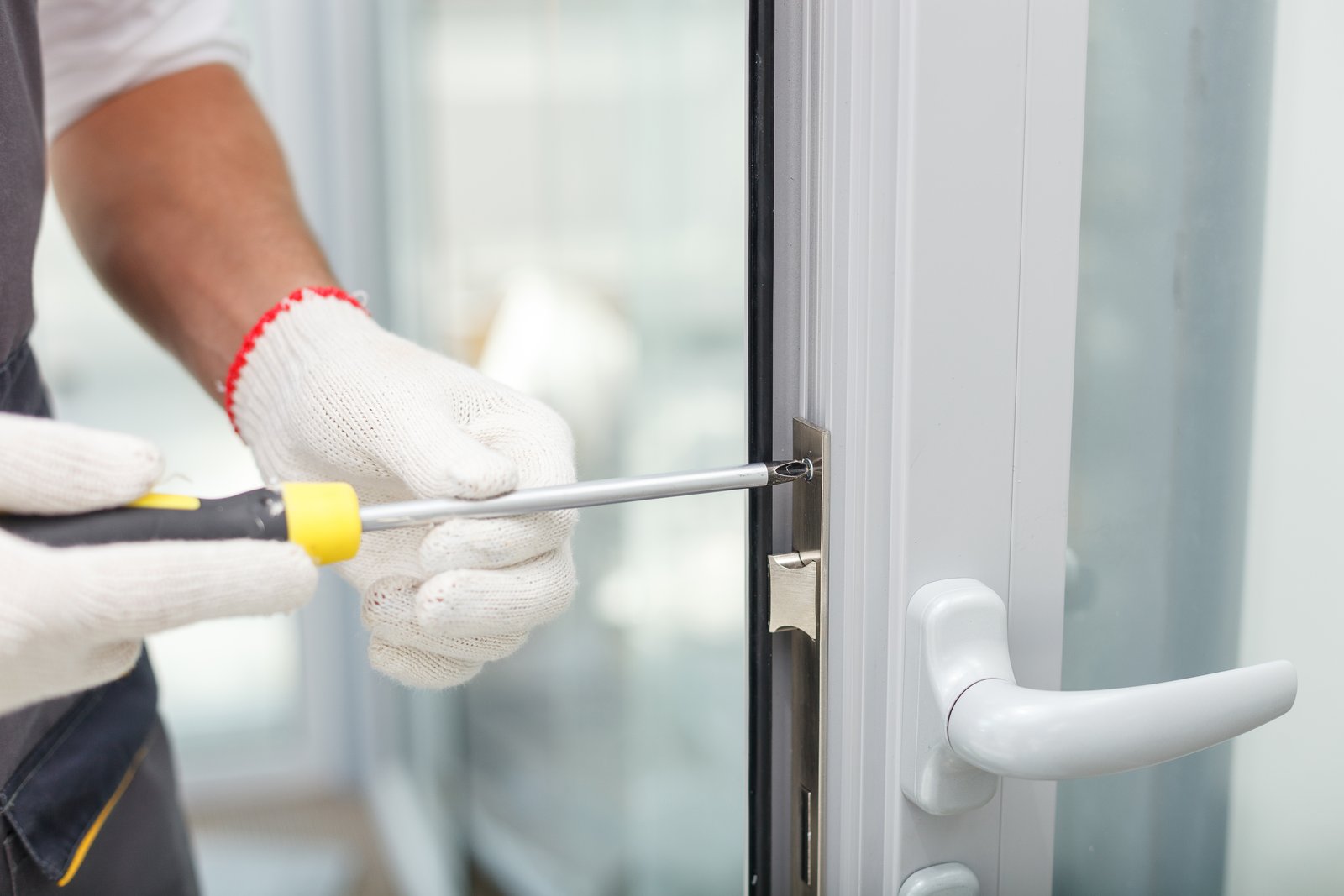
Repair or replace
The door often explains the lock problem.
A lock can fail because the door has dropped, the keep is out of line, the cylinder is worn, internal parts have become tired or the lock has been forced.
Where repair is sensible, we explain what can be restored and what may still need monitoring. Where replacement is safer, we explain why before work begins.
Repair is worthwhile when it leaves the lock safe, smooth and dependable.
Common faults
Lock repair situations we regularly assess.
These are the types of faults customers describe before a locksmith attends.
Key difficult to turn
The key works, but only with pressure, lifting or repeated attempts.
Latch not catching
The door closes but the latch does not sit cleanly in the keep.
Cylinder spinning or loose
The lock face or cylinder moves more than it should.
Mortice lock stiffness
A timber-door lock becomes heavy, noisy or unreliable.
Commercial door fault
A business entrance needs repair without unnecessary replacement.
UPVC mechanism problem
Handles, hooks or bolts no longer engage smoothly.
Handle lifts but door does not lock
A sign the internal gearbox or lock case, not just the cylinder, needs checking.
Process
How lock repair is assessed.
- Listen
Understand the fault
We ask what happens when the key, handle or latch is used.
- Inspect
Check lock and door
The lock, keep, hinges and alignment are checked together.
- Explain
Confirm the cause
You are told whether repair is realistic before work starts.
- Repair
Adjust or repair parts
Suitable repairs are completed carefully and tested.
- Test
Check everyday use
The lock is tested with the door open and closed.
- Advise
Explain next steps
You get practical guidance on use, maintenance or replacement risk.
Related services
Useful pages if repair is not the whole answer.
These services support the next likely decision without turning repair into a replacement page.
All Locksmith Services
Return to the Services Hub to compare the right route.
ReplacementLock Replacement
For locks that are damaged, unsafe or no longer worth repairing.
InstallationLock Installation
Planned fitting and upgrades for suitable door hardware.
UrgentEmergency Locksmith
For lock failures that leave you locked out or unable to secure the door.
MovingMoving Home Lock Changes
For new owners or tenants taking control of keys.
uPVCuPVC Door Lock Repairs
For multipoint mechanism faults specific to uPVC and composite doors.
Areas
Lock repair across London, Essex and selected Kent areas.
These service pages are site-wide. Use the regional pages to understand current coverage for your address.
Questions customers ask
Lock repair FAQs.
Practical answers before asking TLC to assess a faulty lock.
Can a jammed lock be repaired?
Sometimes. It depends on whether the jam is caused by the lock itself, the key, the cylinder or the door alignment.
Should I force the key if the lock is stiff?
No. Forcing a key can snap it or make the fault worse. It is better to stop and arrange an assessment.
Can you repair euro-cylinder locks?
We can assess euro-cylinder faults and explain whether adjustment, cylinder replacement or another repair is suitable.
Can mortice locks be repaired?
Some mortice locks can be repaired or adjusted, but worn or damaged cases may need replacement.
Can a night latch be repaired?
It depends on the latch condition, fitting and door alignment. We check before recommending replacement.
Why does my lock only work when I lift the door?
That usually points to alignment or multipoint mechanism issues rather than a simple key fault.
Do commercial locks need replacing when they fail?
Not always. We consider repair where it leaves the entrance secure and practical for the business.
Will repair be cheaper than replacement?
Often it can be, but only if the repaired lock remains safe and reliable.
Can you repair a lock after an attempted break-in?
We can assess it, but forced or damaged locks often need replacement for safety.
How do I know repair has worked?
The lock should operate smoothly with the door open and closed, without force or repeated attempts.
The handle lifts but the door will not lock — is that a repair issue?
Yes, usually. That points to an internal gearbox, lock-case or multipoint mechanism fault rather than a simple cylinder problem, and it is covered under lock repair assessment.
Repair advice
Need a Lock Repaired?
Tell us what the lock is doing, what type of door it is fitted to and whether the property is currently secure.