Security advice
Practical Security Advice for Your Home or Business
Good security is rarely about buying the most expensive lock. It starts with understanding the door, frame, lock, keys, access needs and how the property is used. The Lock Company gives practical locksmith advice for homes, landlords and businesses across London, Essex and selected Kent locations.
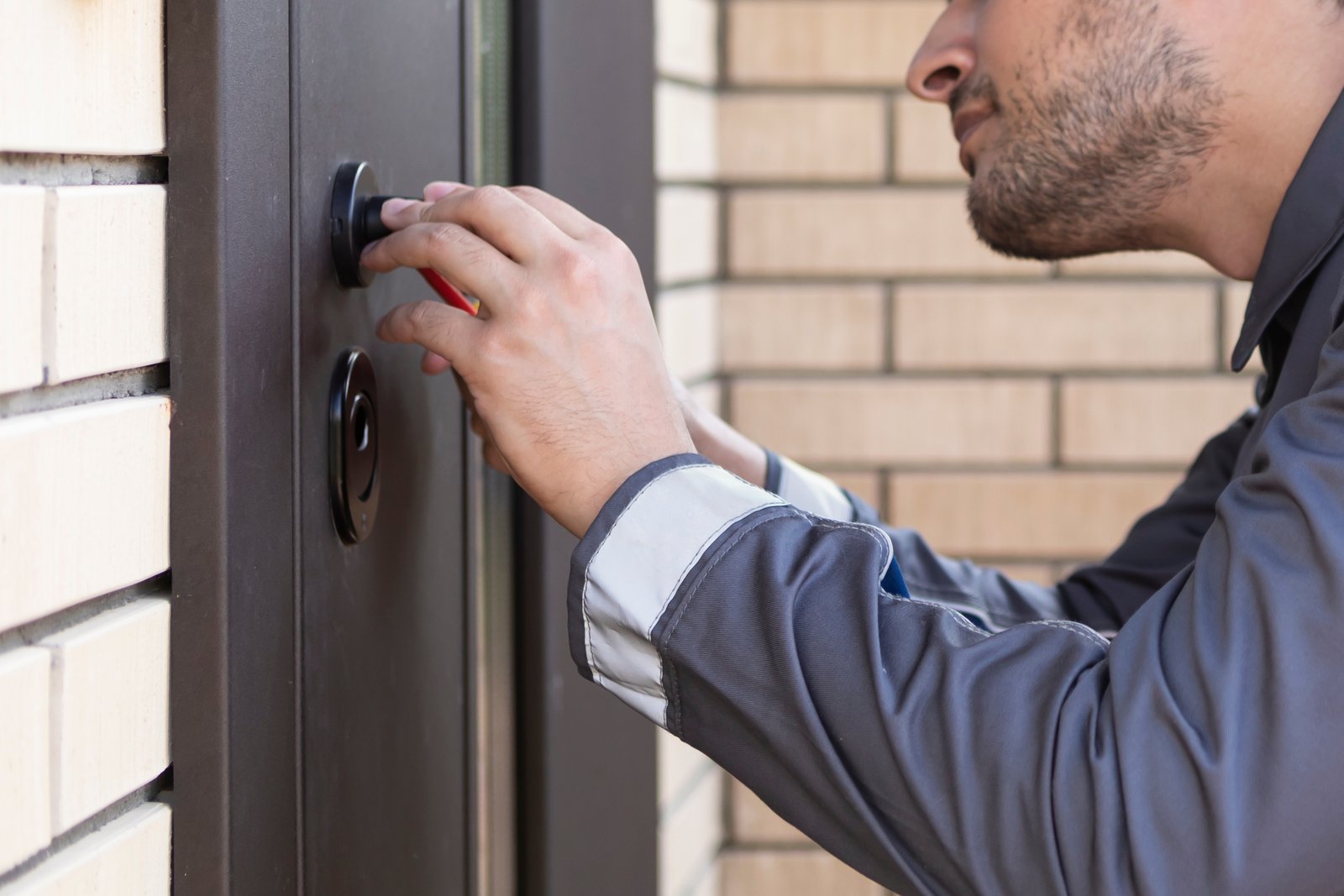
Proportionate security
Security should suit the property, not just the product.
No single lock or security product is right for every property. A strong, properly fitted lock can still perform badly on a weak frame, a damaged door or an entrance that no longer closes correctly. The sensible answer depends on door material, frame condition, glazing, lock type, occupancy, access requirements and whether the building is a home, rental property or commercial premises.
This page gives general guidance. Where the right answer depends on your specific door, keys or access arrangements, a professional locksmith inspection is the safest way to decide what needs repairing, replacing or improving.
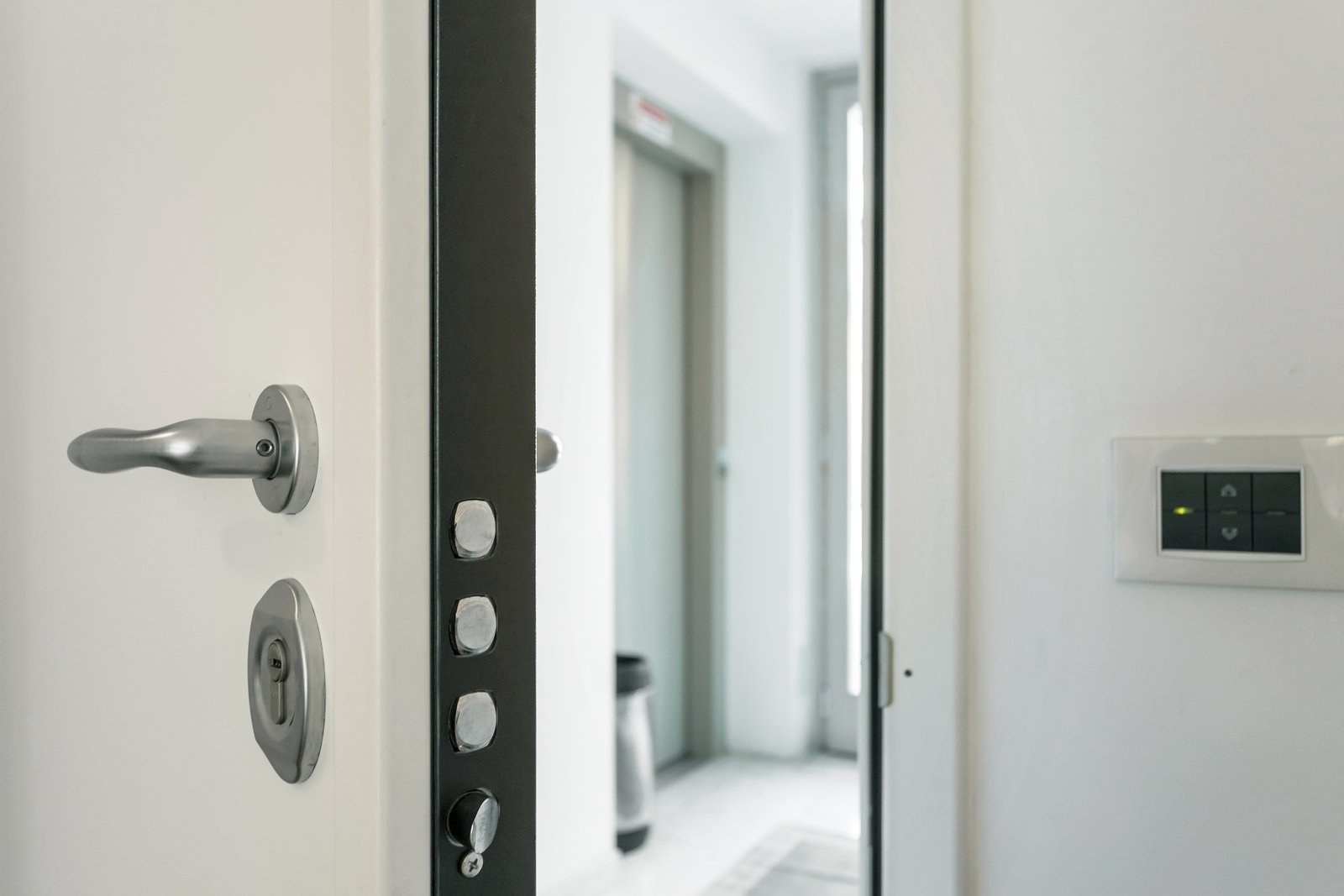
External doors
Check the doors people actually use.
Front doors, rear doors and side entrances should close cleanly, sit properly in the frame and let the lock engage fully. If a handle is loose, a cylinder moves, the door has dropped, the frame is split or there are gaps around the edge, fitting a more expensive lock may not solve the real problem.
Look at glazing near the lock, weak panels, damaged keeps, patio doors and any entrance that is used less often. On some doors, more than one locking point may be appropriate, but only if the door and frame can support it properly.
View lock installation guidanceLock types
Understand what is fitted before deciding what to change.
Most customers do not need to know every technical detail, but it helps to understand the broad categories a locksmith may discuss.
Mortice locks
Common on timber external doors. Suitability depends on the door thickness, frame and how the lock has been fitted.
Night latches and rim locks
Often used with another lock. They can be convenient, but should be considered as part of the whole door setup.
Euro cylinders
Common on uPVC, composite and aluminium doors. Cylinder quality and correct sizing both matter.
Multipoint systems
These secure the door at several points, but alignment and mechanism condition are just as important as the cylinder.
Commercial locks
Shops, offices and managed premises may need different hardware, key control or access arrangements.
Digital and smart locks
Useful for some properties, but only when the door, users, backup access and account security are properly planned.
Where insurance requirements are relevant, check your own policy wording. A locksmith can explain common lock standards and options, but your insurer decides what your policy requires.
Keys and access
When to change, repair or re-control locks.
Changing every lock is not always necessary. The right answer depends on what happened, who may have access and whether the existing lock is still reliable.
Moving home or tenant change
If previous occupants, agents, contractors or neighbours may still hold keys, consider changing the cylinder or lock, or re-controlling access where the hardware allows it.
Lost or stolen keys
Keys lost with no address may be lower risk than keys stolen with identifying documents. If security is compromised, act quickly.
Damaged or unreliable locks
A stiff or unreliable lock may need adjustment, repair or replacement. A locksmith should explain the practical options before work begins.
Staff, contractors and keys
When staff leave or contractors change, businesses may need key records, restricted areas, cylinder changes or wider access-control review.
Moving home
A practical moving-home security checklist.
- Confirm who may still hold keys for the property.
- Inspect all external doors, including rear, side and patio doors.
- Check windows, garages, gates, sheds and outbuildings.
- Review shared or communal entrances if the property is part of a block.
- Update alarm codes, access codes and smart-lock permissions.
- Check letterbox position, glazing near locks and emergency exit operation.
- Arrange a locksmith inspection if you are unsure what has been fitted.

Lost or stolen keys
Choose a proportionate response.
If keys are lost without any identifying information, the risk may be different from keys stolen with an address, bag, wallet or vehicle documents. If house keys and car keys are taken together, or if keys give access to a shared building or business premises, the response may need to be quicker and wider.
For businesses, former employees, missing contractor keys and master-key access should be treated carefully. For homes, consider whether anyone could connect the keys to the property. If immediate access or security is compromised, call a locksmith rather than waiting for a planned review.
Landlords and businesses
Security advice for managed and commercial property.
Rental and commercial properties often need a repeatable process, not a one-off fix.
Between tenancies
Review key control, contractor access, tenant-reported lock faults, communal doors, HMOs or shared-property arrangements and records of completed work. Avoid legal assumptions; get property-specific advice where required.
Business and staff access
Staff changes, restricted areas, delivery doors, shutters, gates, out-of-hours access and record keeping can all affect security planning.
Planned checks
Regularly checking locks, cylinders, closers, digital access and door alignment can prevent small faults becoming urgent failures.
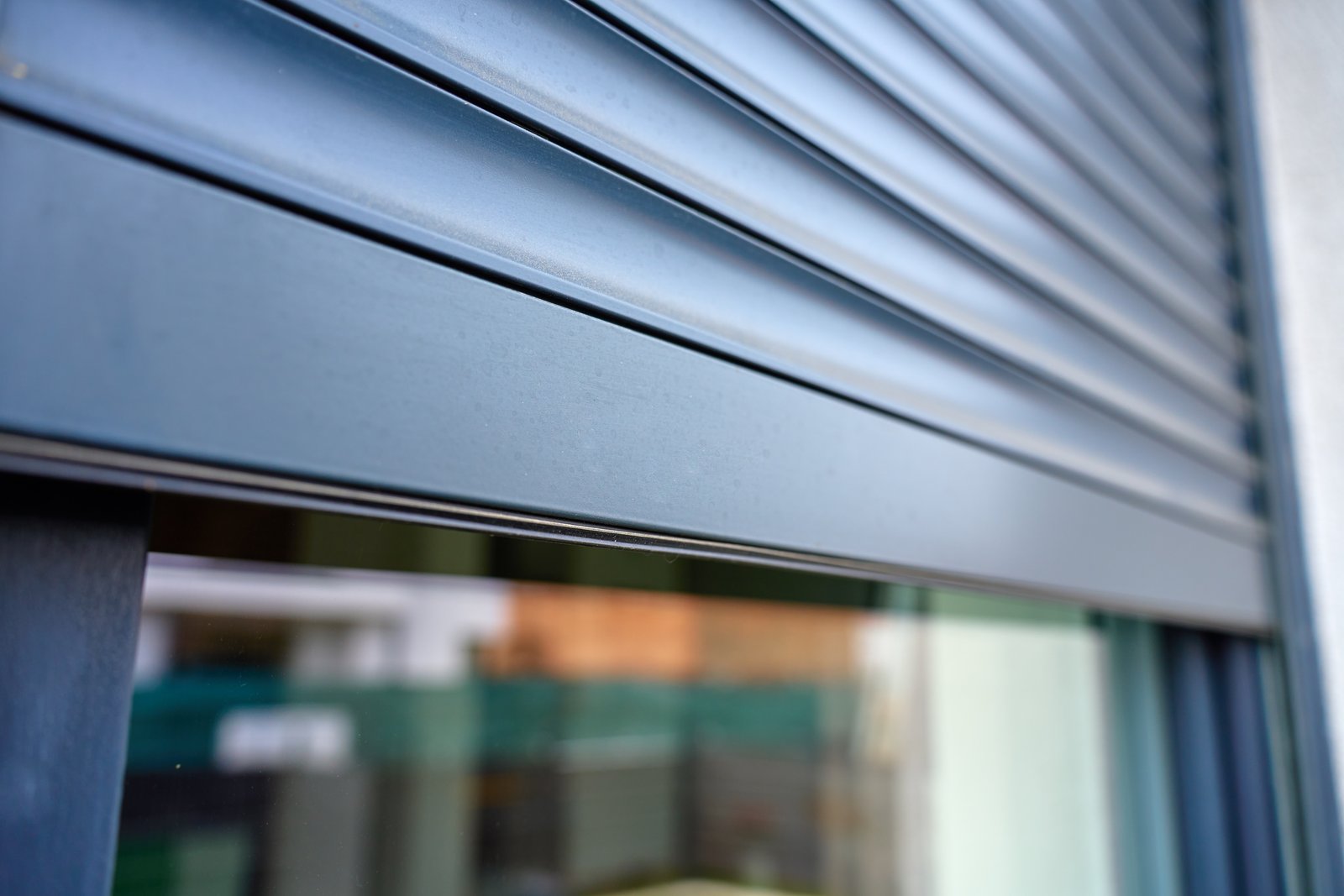
Beyond the front door
Include windows, garages, gates and outbuildings.
A security review should include accessible windows, patio and sliding doors, garage doors, sheds, side gates, garden access, shared entrances and any internal door protecting higher-risk areas. The aim is not to create alarm; it is to find the obvious weak points before they become inconvenient or expensive.
For commercial premises, rear doors, delivery entrances, shutters and external gates may be just as important as the customer-facing entrance.
Smart locks
Smart access can be useful, but it is not automatically better.
Smart locks and digital access can help with keyless entry, temporary codes, access records and remote management. They can be especially useful for some landlords, offices and shared premises.
They also need careful planning. Door compatibility, power and battery management, app or internet dependency, emergency access, user permissions, account security and installation quality all matter. A well-fitted mechanical lock may be more suitable than a poorly planned smart product.
After an incident
After a break-in or attempted break-in, deal with safety first.
Where a crime may have occurred, contact emergency services where appropriate and avoid disturbing evidence unnecessarily. Once it is safe to do so, secure unsafe doors or windows, arrange temporary securing if needed, repair or replace compromised locks and check the frame and surrounding structure.
After the immediate issue is controlled, review keys, access credentials, glazing, secondary entrances and any wider weaknesses. No locksmith can guarantee future prevention, but a calm assessment can help you make sensible improvements.
Common mistakes
Small oversights can weaken otherwise good security.
Only looking at the lock
The frame, keeps, hinges and door condition matter too.
Leaving access unchanged
Moving home, staff changes and tenant changes are all moments to review who has keys.
Ignoring stiff locks
A difficult key or unreliable mechanism is a warning sign, not just an annoyance.
Too many uncontrolled copies
Spare keys, contractor keys and former staff access should be managed deliberately.
Forgetting side entrances
Rear doors, sheds, garages, gates and shared entrances are part of the same security picture.
Installing smart products without a fallback
Plan emergency access, permissions and battery management before relying on digital access.
When to call a locksmith
Professional advice is worthwhile when the right answer is not obvious.
Call a locksmith if a lock is damaged or unreliable, keys are missing or stolen, occupants have changed, a door or frame looks weak, commercial key control is hard to manage, access needs have changed, or there has been a break-in or attempted break-in.
A good locksmith should inspect what is actually fitted and recommend work based on need. Sometimes that means repair, sometimes replacement, sometimes a cylinder change or wider access-control review. It should not mean replacing functioning components unnecessarily.
Related advice and services
Useful next steps from The Lock Company.
Local locksmith services
Planned and practical locksmith support for homes and everyday lock problems.
LocksLock installation
Information about fitting replacement or upgraded locks suited to the door.
BusinessCommercial locksmiths
Locksmith support for shops, offices, managed premises and business access needs.
Ongoing careSecureCare™
For customers who want planned lock maintenance and an ongoing relationship with TLC.
Security questions
Frequently asked questions.
How often should locks be replaced?
There is no single replacement schedule for every property. Locks should be checked when they become stiff, loose, damaged, unreliable, outdated or no longer suitable for how the property is used.
Should I change the locks when I move home?
It is sensible to review access when you move. If you do not know who still holds keys, a cylinder change, lock change or wider inspection may be appropriate.
What should I do if my keys are stolen?
Consider whether the keys can be linked to your address or business. If they were stolen with identifying documents, or if access is immediately compromised, call a locksmith for urgent advice.
Can a locksmith improve security without replacing the door?
Often, yes. Depending on the door, a locksmith may adjust, repair or replace locks, improve cylinders, check keeps and advise on suitable additional hardware. A damaged door or frame may still need separate repair.
Are smart locks safer than normal locks?
Not automatically. Smart locks can be useful, but suitability depends on the door, installation, power management, user permissions, backup access and account security.
Which locks do insurers require?
Insurance requirements depend on your own policy. A locksmith can explain common lock types and standards, but you should check your policy wording or speak to your insurer for confirmation.
Can landlords keep copies of keys?
Access arrangements can depend on tenancy terms and circumstances. Landlords and agents should keep clear records and seek appropriate legal or property-management advice where needed.
What is a security assessment?
A security assessment is a practical inspection of doors, locks, keys and access arrangements. The aim is to identify sensible improvements, not to replace everything unnecessarily.
Can a damaged lock be repaired?
Sometimes. The right option depends on the fault, age, parts availability, door alignment and security need. A locksmith should explain whether repair or replacement is more sensible.
How can businesses control staff access?
Businesses can use key records, restricted areas, cylinder changes, master-key planning or digital access where suitable. The right approach depends on the premises and how staff use the building.
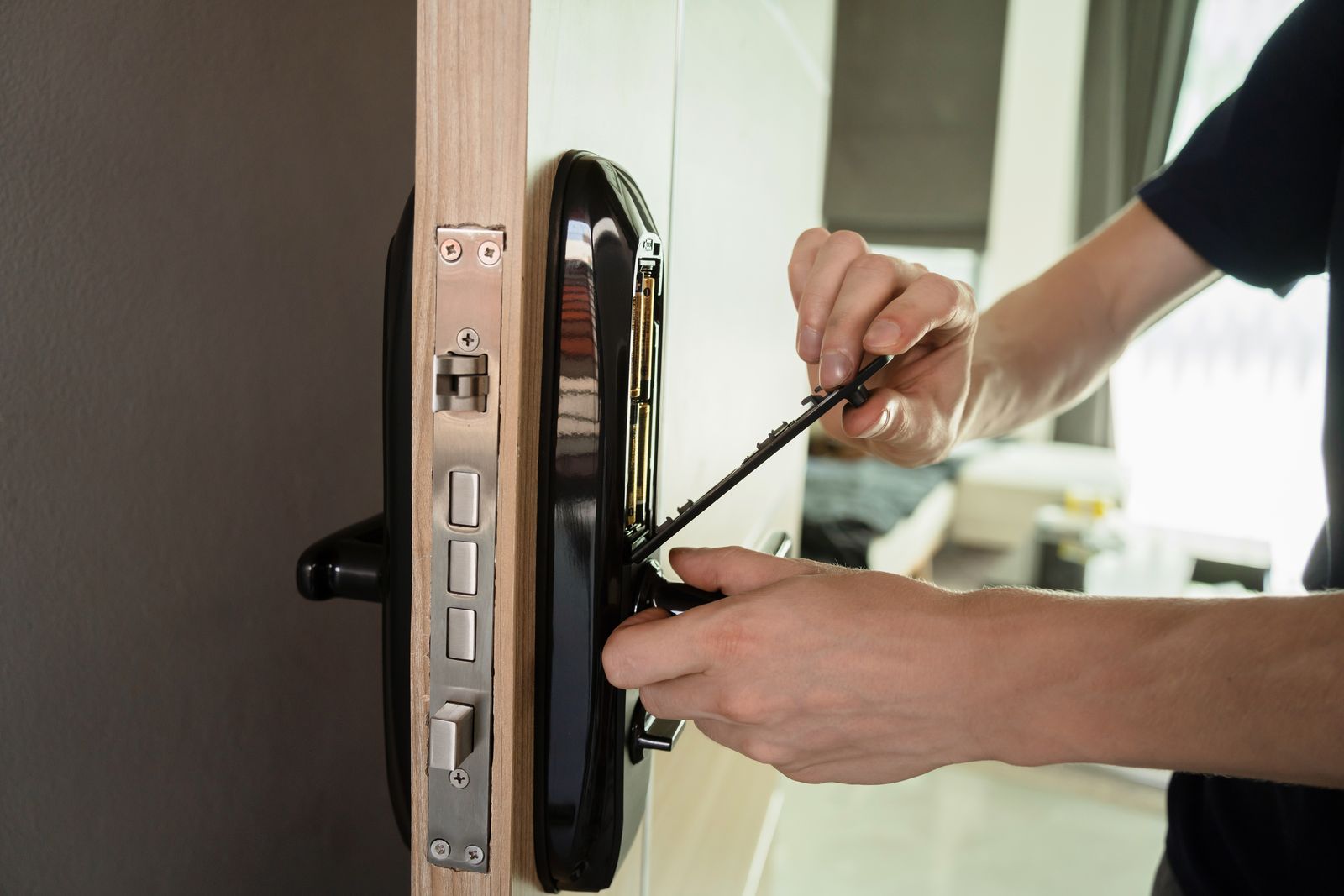
Security support
Need Help Improving Your Property Security?
The Lock Company can inspect existing locks, explain the options and recommend proportionate improvements based on what your property actually needs.